Made possible by

Fritz Sybergs Vej 9
DK 8270 Hojbjerg
Scandinavia
info@dynamicbusinessplan.com












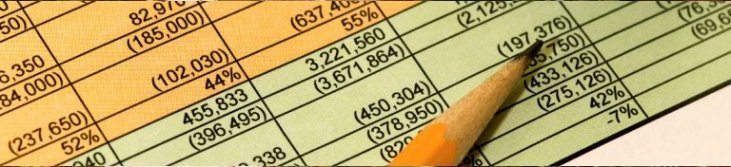
Profit and Loss Statement
A profit and loss statement is a statement that shows if you have profit or loss in your business.
Profit and loss statement for a commercial company usually follows this structure:Sale / Turnover
- Variable Costs / Used Goods
= Gross Profit
- Fixed Costs
- Depreciation
- Interest
= Profit
Profit and loss statement - explanation
Sale / Turnover
Sale / turnover is the "the money you receive from the customers" when they have purchased a product or service from you.
- If you sell 10 pairs of shoes at 100 $ your sale / turnover will be 1.000 $
- If you sell 5 hours of consultancy service at 75 $ per hour your sale /turnover will be 375 $.
Any sales tax will not be a part of the profit and loss statement. Sales tax will be accounted
for separately.Variable Costs / Used Goods
In the second line of the Profit & Loss Statement all expenses directly connected with the sale are deducted. The more you sell the higher variable costs.
- If you expect to sell 10 pairs of shoes you have to buy 10 pairs of shoes.
- If you expect to sell 7.000 pairs of shoes you have to buy 7.000 pairs of shoes.
The buying of shoes is directly connected with the selling of shoes (used goods).
If you produce leather shoes you have to buy leather (raw material). The purchase of leather will show as variable costs / used goods in the profit and loss statement.
Consultants rarely have expenses concerning the "variable costs / used goods". For instance an accountant has few direct expenses in producing the yearly accounts for a client. Maybe 20 sheets of paper.

Gross Profit
The difference between Sales and Variable Cost is called Gross profit. It
shows how much money you have got left to pay for instance your rent, telephone,
internet access, marketing and your own pay.Fixed Costs
Fixed costs will usually not be higher if you sell more. And not lower when you sell less. The rent of the shoe shop will be the same whether you sell 10 pairs of shoes or 150 pairs of shoes.
The staff might be able to sell 150 pairs of shoes. But they only sell 10 pairs. It takes time to lay off staff so Staff expenses is considered a Fixed cost.
Fixed costs can be variable - like a telephone bill. It is because the telephone bill does not necessary vary with sales volume. The variation is due to other circumstances than the sales volume.
Write Of / Depreciation
You invest in a new building for your business. Or you purchase a 10 thousand dollar machine. You can not deduct such big investments in the accounts the first year. The investment must be spread out over several years.
One way to do it is to depreciate / deduct / write of 30 % of the value every year. An example:
- A machine cost 10.000 $.
Year 1 you can deduct 3.000 $ in the profit and loss statement
(30 % of 10.000).
Year 2 you can deduct 2.100 $
(10.000 - 3.000 = 7.000. 30 % of 7.000 = 2.100)
For specific rules in your country contact an accountant or the relevant
authorities.Interest
If you borrow money in a bank you will see the interest deducted as an expense in the profit and loss Statement. Also the different charges to the bank can be deducted.
Interest for money borrowed from family or other sources can usually not be deducted.
For specific rules in your country contact an accountant or the relevant authorities.
Profit / Net income
Also referred to as profit/loss or proprietor´s salary. Net income is the
proceeds a proprietor makes from running his/her business. Net income does not
always exist in terms of cash. It can be partly or fully tied-up in stocks or
balance due from customers.
- Read
more about how to Influence your Profit
- Go to next business issue: The Balance Statement

What do you need to start a business? Three simple things: know your product better than anyone, know your customer, and have a burning desire to succeed.
– Dave Thomas, founder of Wendy’s - international fast food chain restaurant